
 Facebook
 X
X LinkedIn
 Forward
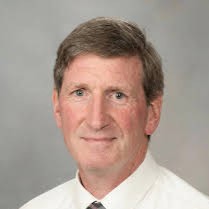
Fergus Couch is the Zbigniew and Anna M. Scheller Professor of Medical Research and Chair of the Division of Experimental Pathology and Laboratory Medicine at the Mayo Clinic. Dr. Couch has over 650 publications with an H-index of 132 relating primarily to the clinical characterization of inherited genetic variants in cancer susceptibility genes. He is the director of the Mayo Clinic Breast Cancer Registry and a founder and contributor to the CIMBA and BCAC consortia that have identified common genetic variants associated with breast cancer risk and developed polygenic risk scores for breast cancer risk assessment. He is the founder of the CARRIERS study that established population-based risks of breast cancer for variants in cancer predisposition genes. He is also a co-founder of the ENIGMA consortium and has focused on the use of functional studies for classification of variants of uncertain significance (VUS) in cancer predisposition genes including recent large CRISPR/cas9 saturation genome editing studies. He is also the co-leader of the NIH/ClinGen Hereditary Breast, Ovarian and Pancreatic (HBOP) cancer variant curation expert panel (VCEP) for cancer predisposition genes. He holds several grants, including an R35 outstanding investigator award from the National Cancer Institute, and has received a number of awards in recognition of his work including the Mayo Clinic Distinguished Investigator Award, the AACR Outstanding Investigator Award for Breast Cancer Research, and the Basser Global Prize.
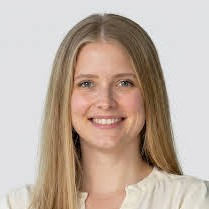
Moderator: Caitlin Reid, MS, LGC, CGC
Genomic Science Liaison at Ambry Genetics
Caitlin joined Ambry Genetics in 2021 as the Oncology Genomic Science Liaison for the Midwest territory. In her current role, she serves as a clinical liaison for the field team to educate health care providers and key opinion leaders on genetic testing and genomic medicine. Caitlin previously worked as an Oncology Genetic Counselor at the University of Iowa in the Holden Comprehensive Cancer center. Caitlin received her Bachelor of Science degree in Biology with a concentration in cell and developmental biology from the University of Iowa. She earned her Master of Science degree in Genetic Counseling from the University of Michigan in 2018 and is certified by the American Board of Genetic Counseling.
Educational Independence and Disclosure Policy
EducateNext is committed to providing independent, objective, and evidence-based educational content. None of the individuals in control of this content—including our planners, reviewers, and approval faculty—have any financial relationships with ineligible companies to disclose. For all educational sessions, speaker-specific disclosures regarding any potential conflicts of interest are required and will always be shared directly with learners at the beginning of their respective presentations.